- BuildingsMixed-Use Conversion Denkmalstrasse Lucerne
- Vertical Factory Komax AG
- Plant Manager's Home
- Cultural youth centre Schappe Süd
- Primary school
- Residential building Mühle
- Residential building in a tree grove
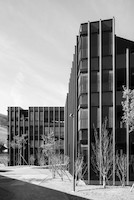
- Extension for the Thun Panorama
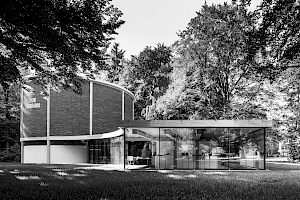
- Single-family home W
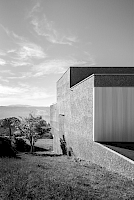
- New replacement building Bühlegg
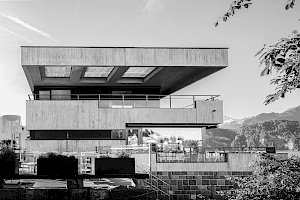
- Stahlton Bauteile AG office building
- AWZ housing
- Uri curative education centre
- Pilatus Kulm panorama gallery
- Villa by Lake Zug
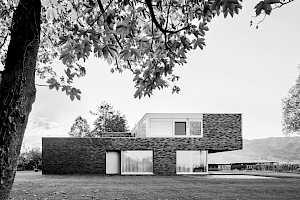
- Villa by Lake Lucerne
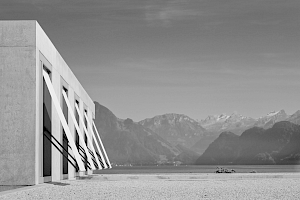
- Window factory extension
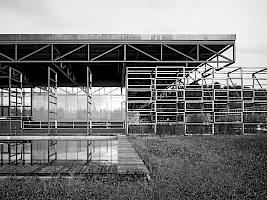
- Single-family house in Ermensee
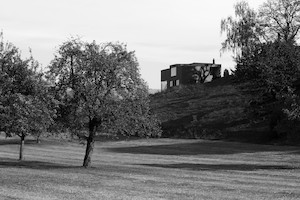
- Residential and commercial building
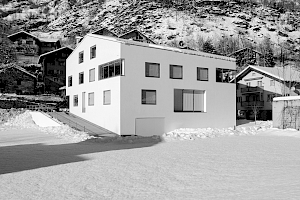
- Sports and multifunctional hall
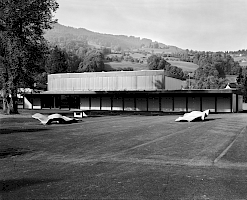
- Municipal centre / Raiffeisenbank
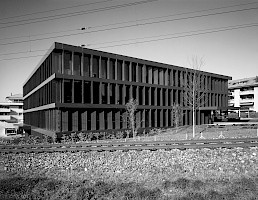
- Obermarch school centre
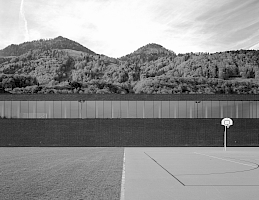
- Stucki single-family home
- ProjectsNew Lucerne Theater
- «Paradies» residential buildings
- Tivoli lake restaurant and yacht club
- Transportation headquarter
- Lakeside residence
- Car park with exhibition hall
- Silo tower
- Rowing centre Rotsee
- Refuse incineration plant
- Recycling centre
- Exhibition halls Allmend
- Art Museum Schlossberg
- Place of contemplation
- PublicationsBuildings and Projects
- Window factory extension
- Niklaus Graber & Christoph Steiger Anthologie Bd. 1
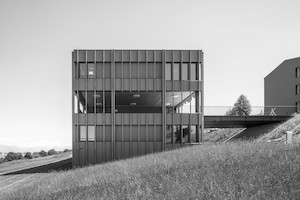
Residential building in a tree grove
| Location | Bächtelenweg, Köniz BE |
| Client | Hans Widmer |
| Commission | Competition on invitation 2007 |
| Planning | 2010–2012 |
| Construction | 2014–2015 |
| Architects | Graber & Steiger Architekten, Project Architect: Roland Stutz, Urs Schmid |
| Consultants | Structural engineer: ZPF Ingenieure, Total Contracter: Priora AG, Building physicist: RSP AG |
| Photographer | D.M. Wehrli |
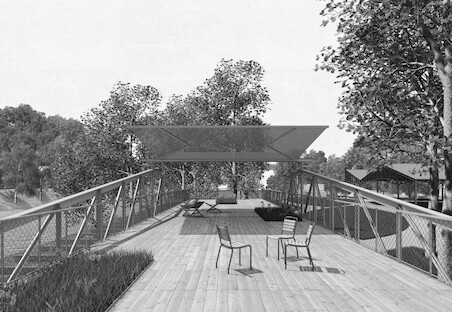
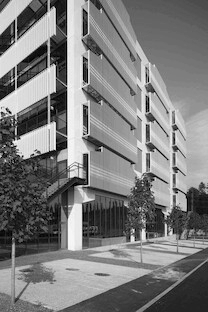
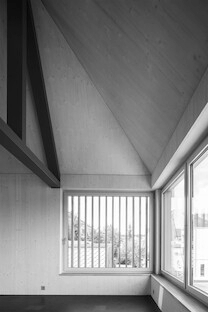
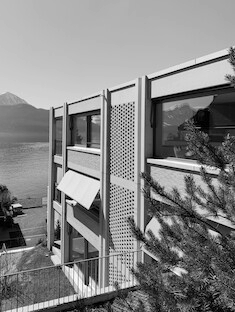
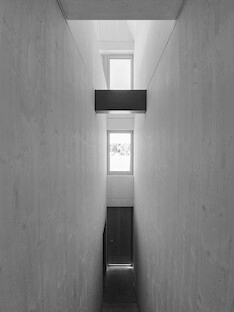
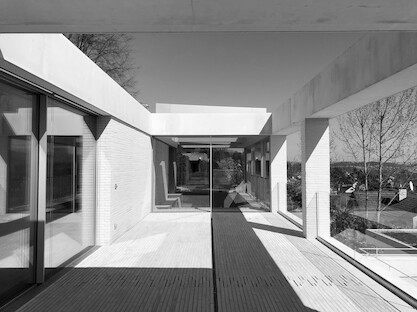
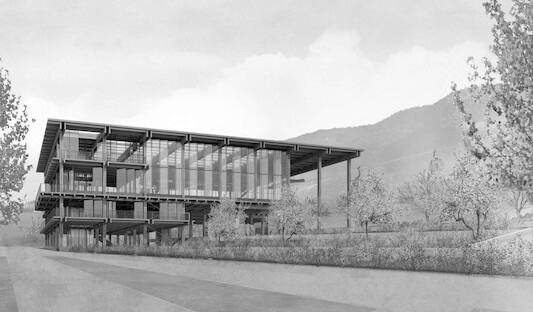
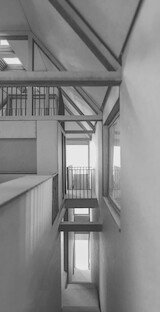
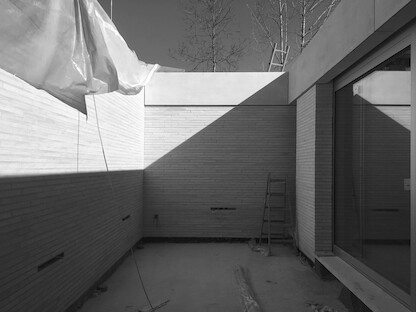
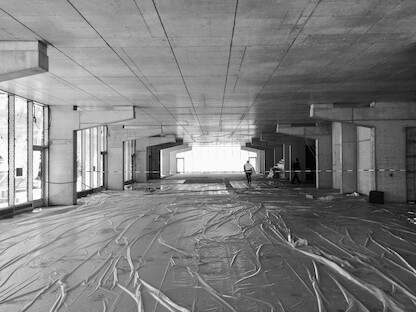
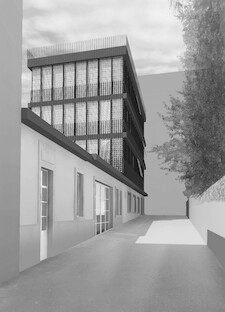
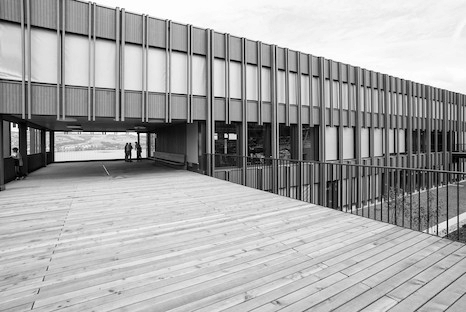
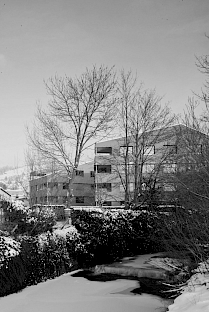
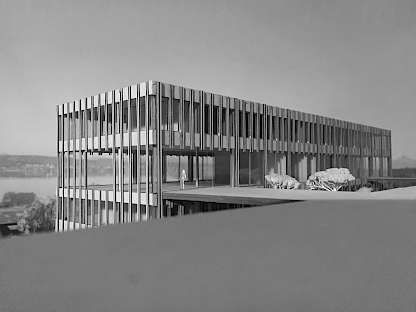
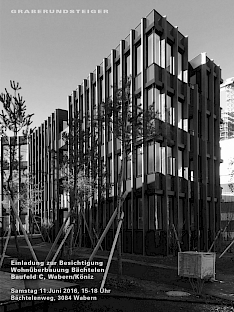
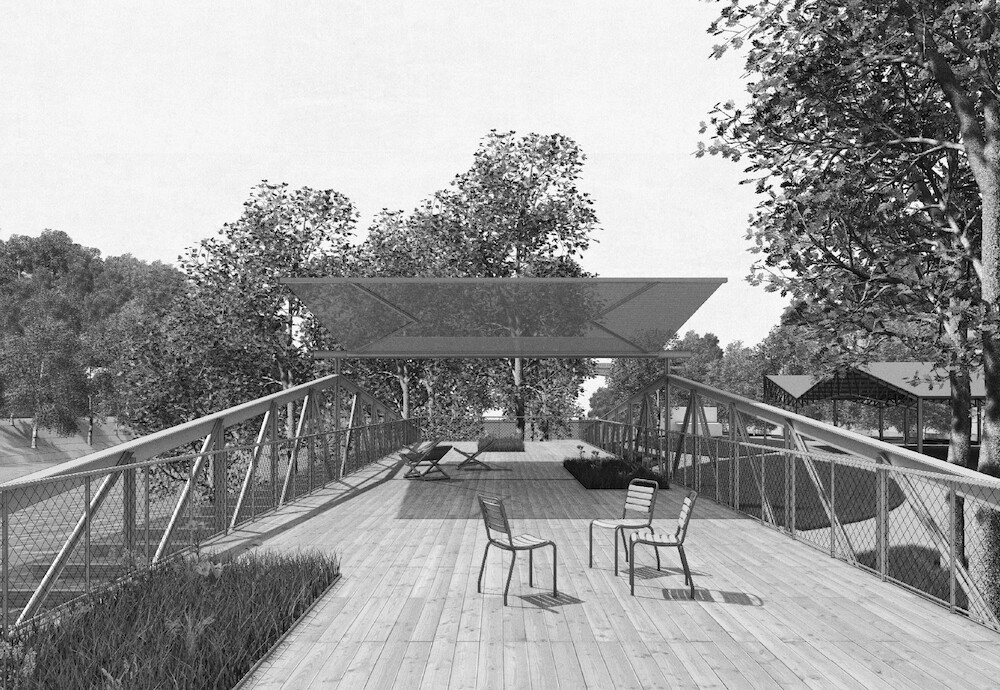
The theme of living in a tree grove was defined by the client and aimed at achieving innovative residential forms that lead to an exemplary building typology. For that purpose, a strategy is used that is determined in a conceptual, typological and atmospheric way by the presence of the trees. A narrow, elongated building with several folds nestles into the protective vegetation. That creates an exciting sequence of exterior spaces in which the mantle of vegetation unfolds downwards and is orientated towards the apartments. The maisonette typology guides the resident’s view towards roots, trunks and the treetops, while also providing a diverse range of uses. The band of vegetation is combined with various aspects of the building envelope: It not only regulates the sunlight and daylight according to the seasons, but also acts as a filtering visual blind and ensures a balanced microclimate. The building envelope can thereby be reduced to a fine, transparent membrane that only partially needs to assume the usual façade functions. An exterior curtain made of wooden pilaster strips creates privacy for facing apartment units and defines the finely structured expression of the building.