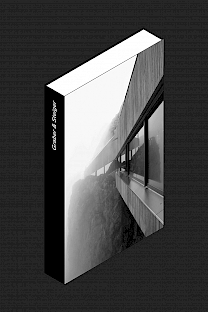
- BuildingsMixed-Use Conversion Denkmalstrasse Lucerne
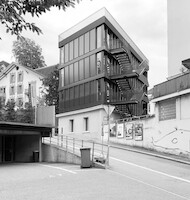
- Vertical Factory Komax AG
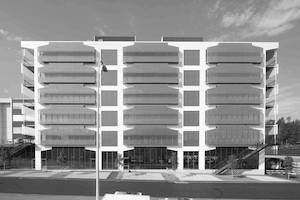
- Plant Manager's Home
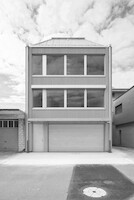
- Cultural youth centre Schappe Süd
- Primary school
- Residential building Mühle
- Residential building in a tree grove
- Extension for the Thun Panorama
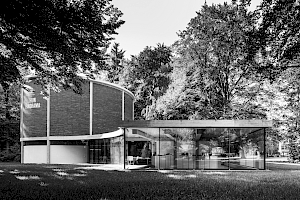
- Single-family home W
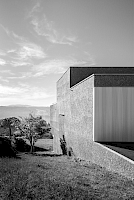
- New replacement building Bühlegg
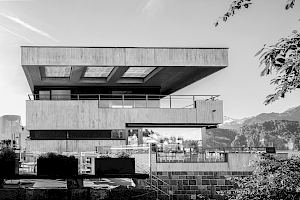
- Stahlton Bauteile AG office building
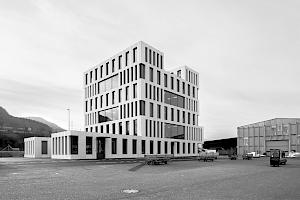
- AWZ housing
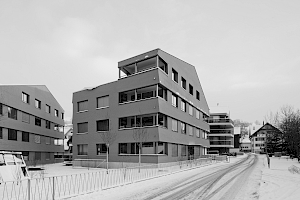
- Uri curative education centre
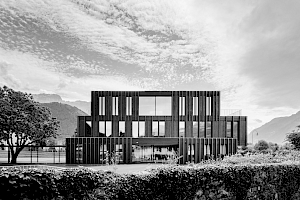
- Pilatus Kulm panorama gallery
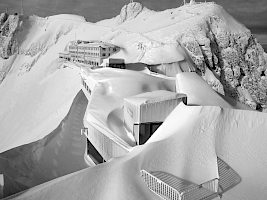
- Villa by Lake Zug
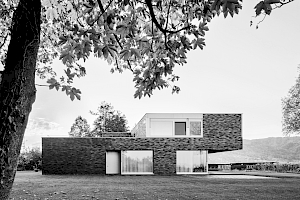
- Villa by Lake Lucerne
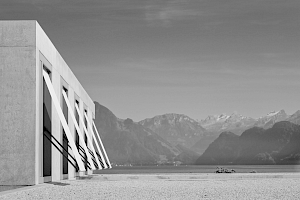
- Window factory extension
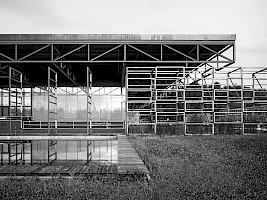
- Single-family house in Ermensee
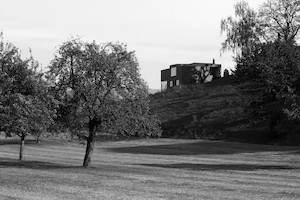
- Residential and commercial building
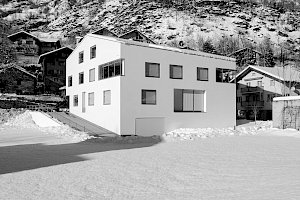
- Sports and multifunctional hall
- Municipal centre / Raiffeisenbank
- Obermarch school centre
- Stucki single-family home
- ProjectsNew Lucerne Theater
- «Paradies» residential buildings
- Tivoli lake restaurant and yacht club
- Transportation headquarter
- Lakeside residence
- Car park with exhibition hall
- Silo tower
- Rowing centre Rotsee
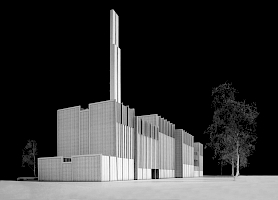
- Refuse incineration plant
- Recycling centre
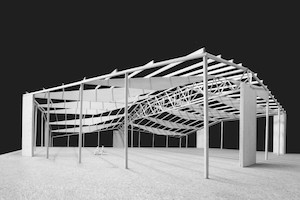
- Exhibition halls Allmend
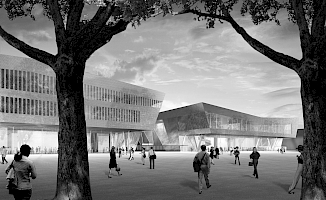
- Art Museum Schlossberg
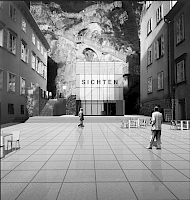
- Place of contemplation
- PublicationsBuildings and Projects
- Window factory extension
- Niklaus Graber & Christoph Steiger Anthologie Bd. 1
Villa by Lake Zug
| Location | Zug ZG |
| Client | PRIVAT |
| Planning | 2007–2008 |
| Construction | 2008–2009 |
| Architects | Graber & Steiger Architekten, Project Architect: Urs Schmid |
| Consultants | Construction manager: Kurt Heutschi, Structural engineer: Peter Ott, Landscape architect: koepflipartner |
| Photographer | D.M. Wehrli |
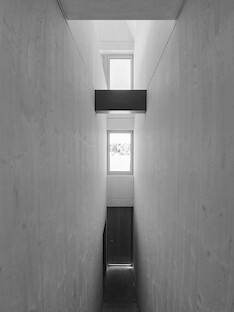
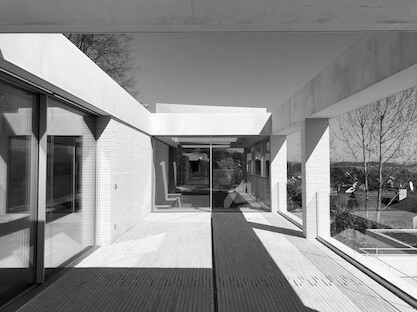
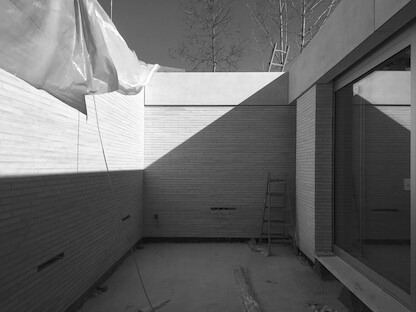
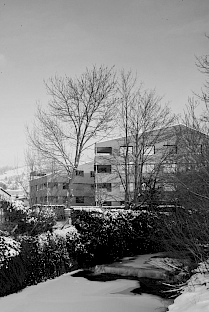
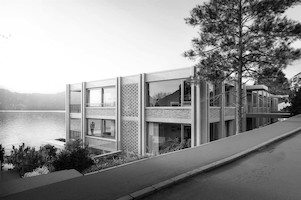
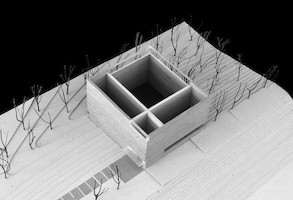
On an extensive, park-like lakeside property in the city of Zug, the task was to design the new home for a four-person family. The desirable location with a breath-taking view of the lake, mountains and the city of Zug, as well as the idyllic park-like character of the nearby environment, were factors that defined the design, combined with the spatial programme that was tailored for the villa’s residents. It was accommodated in an architectural sculpture that can be utilized in diverse ways, thereby forming a counterpart to the down-to-earth, relaxed landscape. Various terraces and a carefully arranged opening behaviour stage the qualities of the location in a distinctive way. A two-storey atrium at the centre of the house forms its hub, around which all useable rooms are arranged in a ring. The shimmering colours of the clinker brick façade transfer the tonal canon of the surrounding environment to the cubic architecture.