- BuildingsMixed-Use Conversion Denkmalstrasse Lucerne
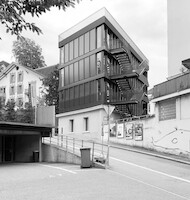
- Vertical Factory Komax AG
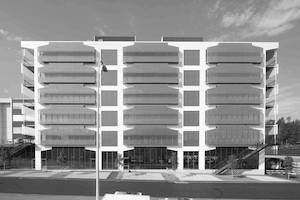
- Plant Manager's Home
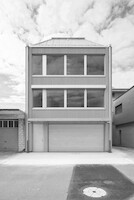
- Cultural youth centre Schappe Süd
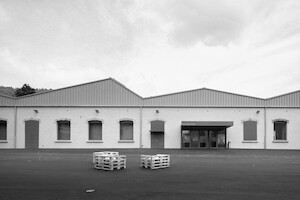
- Primary school
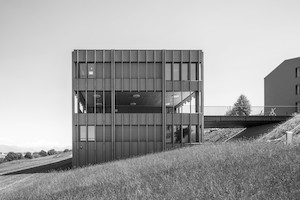
- Residential building Mühle
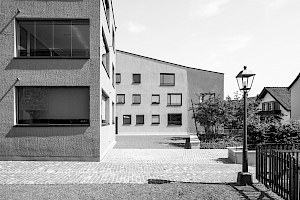
- Residential building in a tree grove
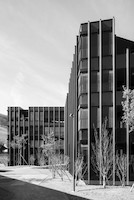
- Extension for the Thun Panorama
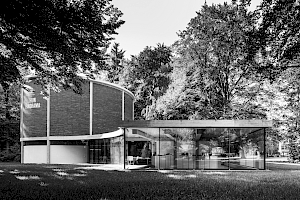
- Single-family home W
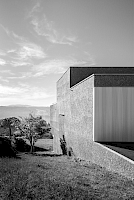
- New replacement building Bühlegg
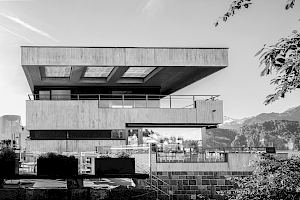
- Stahlton Bauteile AG office building
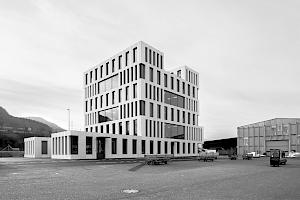
- AWZ housing
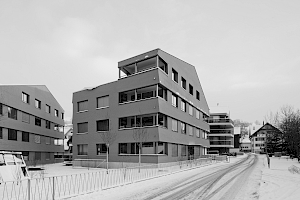
- Uri curative education centre
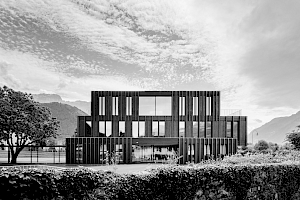
- Pilatus Kulm panorama gallery
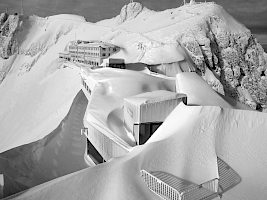
- Villa by Lake Zug
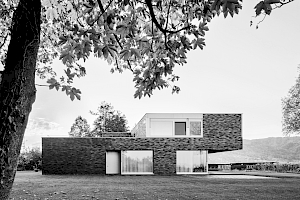
- Villa by Lake Lucerne
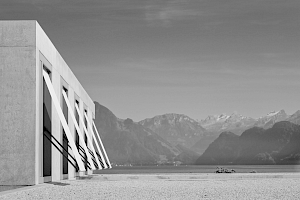
- Window factory extension
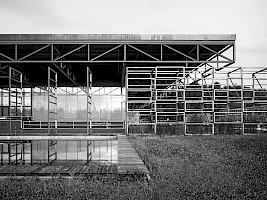
- Single-family house in Ermensee
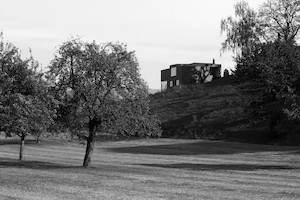
- Residential and commercial building
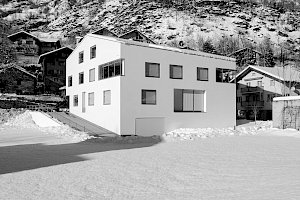
- Sports and multifunctional hall
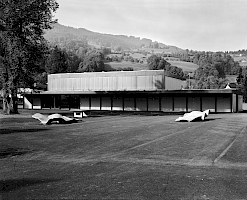
- Municipal centre / Raiffeisenbank
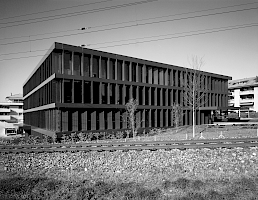
- Obermarch school centre
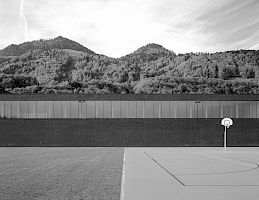
- Stucki single-family home
- ProjectsNew Lucerne Theater
- «Paradies» residential buildings
- Tivoli lake restaurant and yacht club
- Transportation headquarter
- Lakeside residence
- Car park with exhibition hall
- Silo tower
- Rowing centre Rotsee
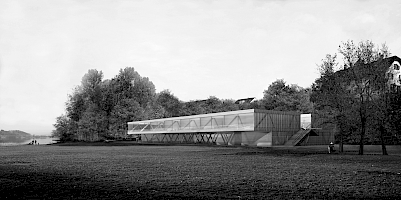
- Refuse incineration plant
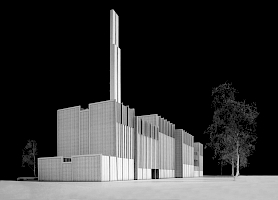
- Recycling centre
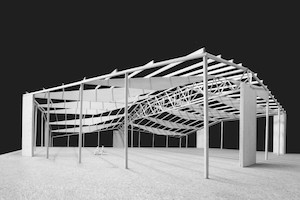
- Exhibition halls Allmend
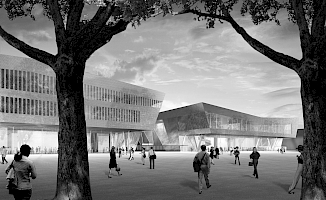
- Art Museum Schlossberg
- Place of contemplation
- PublicationsBuildings and Projects
- Window factory extension
- Niklaus Graber & Christoph Steiger Anthologie Bd. 1
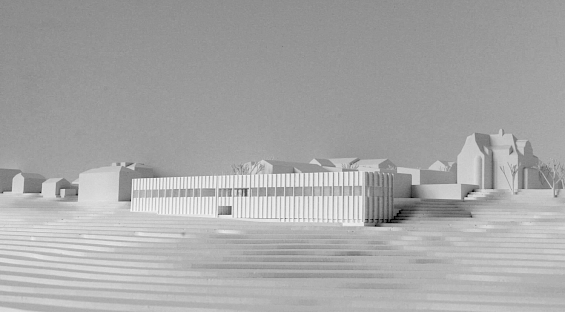
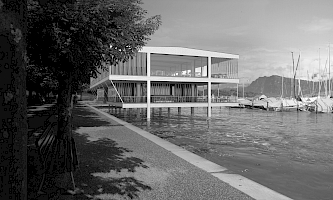
Tivoli lake restaurant and yacht club
| Location | Carl Spitteler-Quai, Luzern |
| Client | Remimag AG |
| Commission | Study competition on invitation 2016 |
| Architects | Graber & Steiger Architekten |
| Consultants | Structural engineer: Beat Lauber |
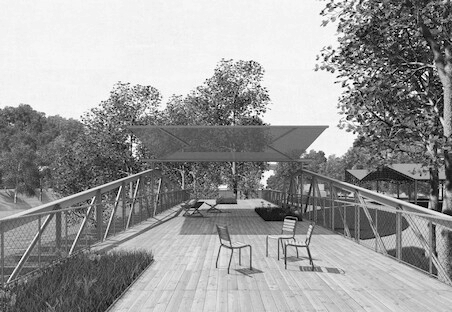
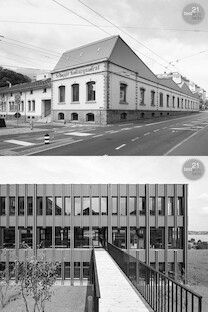
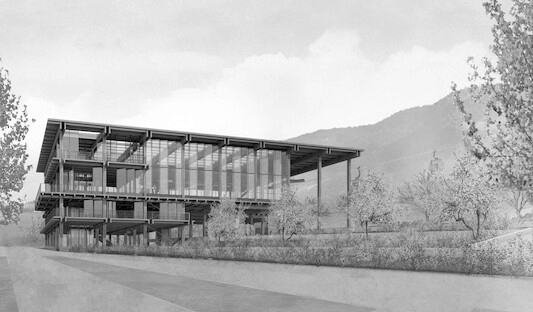
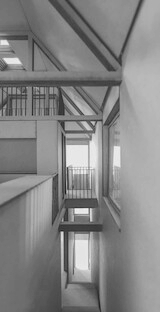
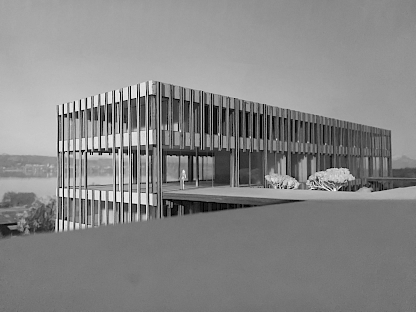
The compact arrangement of the new building represents a dialectical water-based contrast to the unique characteristics of the elongated Lucerne Quai site. The building will be deliberately separated from the Quai edge and slightly positioned above the surface of the water, emphasising its connection to the lake and at the same time giving it an intermediary role between the town and landscape. While the top floor offers a casual front onto the expansive water surface, Alpine panorama and extensive waterside promenade with its alignment parallel to the Quai, the ground floor with its access footbridge and terrace bar emphasises its proximity to the nearby urban area and welcomes visitors. As a hybrid structure made from steel and wood with the accompanying material efficiency properties, the building reflects a structural relationship to boatbuilding, a relationship which extends beyond a striking figurative connection thanks to the functional tectonics. The static system is allocated core significance and is based on a desire for minimal contact with the lake bottom and a high degree of spatial flexibility, thereby conveying an expression of the buildings as a space-creating force. The unobtrusive iconography of the new building legible on the various floors meets public and private demands as well as local and international desires with its lively classic design.